
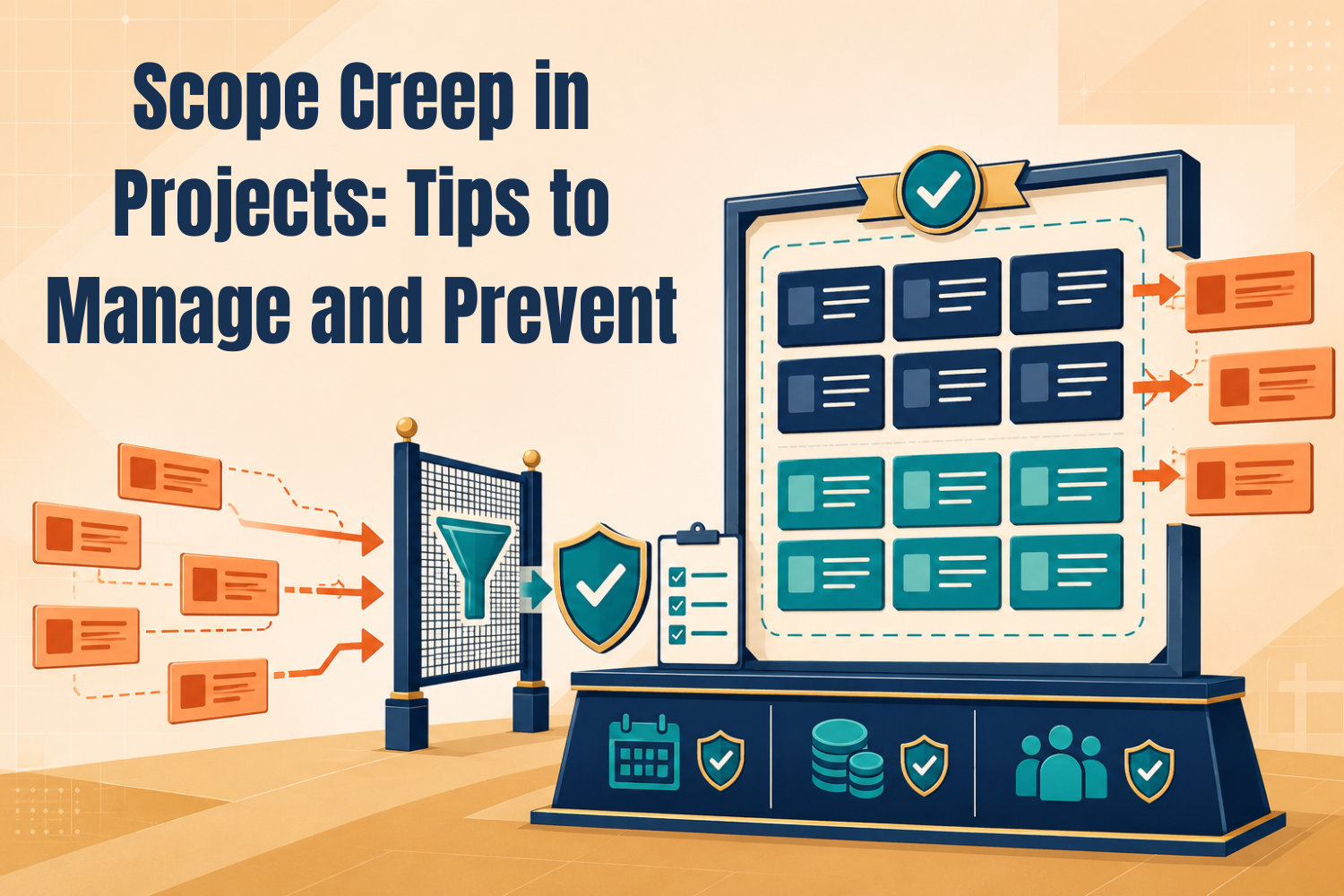
Can a project stay successful when new requests keep appearing without changes to its budget, schedule or resources? APM Training helps professionals understand how strong scope control can protect project goals from uncontrolled expansion. Scope creep often begins with small additions that appear harmless. Over time, they can cause delays and frustrated teams. APM practices provide clear methods for defining requirements and maintaining stakeholder agreement. They also help managers respond without blocking useful improvements.
This blog explores how APM helps contain scope creep and keep projects focused.
Table of Contents
- How APM Helps Contain Scope Creep in Projects
- Conclusion
How APM Helps Contain Scope Creep in Projects
The following points explain how APM helps contain scope creep in projects and keeps delivery aligned with approved goals:
Define the Project Scope Clearly
When the anticipated project conclusion is unclear, scope creep frequently starts. Diverse stakeholders could have differing opinions about what the team should accomplish.
Before beginning specific work, managers are encouraged by APM principles to specify project objectives, requirements, boundaries, and end outputs. What is included and what is not should be specified in the authorised project scope. As a result, stakeholders and team members develop a common understanding. It is also simpler to identify whether a new request deviates from the first agreement when there are clear boundaries.
Gather Detailed Requirements Early
Confusion during delivery may result from incomplete criteria. Later on, stakeholders could ask for features or results that they thought were already present.
Before verifying the scope, project managers should consult with users, sponsors, and delivery teams. They are able to note crucial needs, examine expectations, and ask questions. Professionals can acquire useful abilities for gathering and handling project demands with the aid of APM training. Early agreement avoids unforeseen requests and minimises misunderstandings.
Create a Formal Change Process
Not all changes are bad. Certain requests could increase corporate value or enhance quality. Changes that are added to the project without being properly reviewed cause issues.
A transparent change control procedure is supported by APM techniques. Every request should include an explanation of the intended modification, its goal, and its anticipated benefits. The impact on time, money, quality, and resources can then be evaluated by the project manager. The request may be accepted or denied by appropriate decision-makers. This procedure keeps modifications transparent and stops unofficial additions from covertly increasing the effort.
Assess the Impact of Every Change
Even if a little request can seem simple, it can have an impact on other related operations. It could call for more testing, specialised knowledge, or modifications to finished work.
Before approving any additions, project managers should evaluate the entire impact. The impact on the timeline, budget, resources, risks, and anticipated rewards must be taken into account. This methodical approach to scope management is supported by APM guidelines. After that, stakeholders can determine if the increased value warrants the additional work. By doing this, hasty judgements that could lead to more serious issues during delivery are avoided.
Monitor Project Scope Throughout Delivery
It is insufficient to approve the scope at the outset. Supervisors must make sure that everyday operations continue to support the predetermined goals.
Completed work can be compared to authorised requirements through routine reviews. Unauthorised contributions may be discovered through team meetings, task reviews, and progress reports. Before they use more resources, managers may deal with these problems. Finding gaps that might have an impact on the final result is another benefit of ongoing scope monitoring. In addition to keeping the team focused, this discourages gradual expansion from being accepted as standard project activity.
Maintain Clear Project Records
Because people may recall conversations differently, verbal commitments might lead to confusion. Teams may find it difficult to determine whether a request is novel in the absence of written documentation.
Important choices, specifications, and authorised modifications need to be documented. When enquiries come up, these documents provide a trustworthy source. Appropriate project documentation is encouraged throughout the delivery process by APM principles. It is not necessary for the information to be complex. It should just indicate what was decided upon, who gave their approval, and how it impacts the strategy. Having clear records promotes accountability and lessens the need for recurring conversations about project boundaries.
Give Project Managers Suitable Authority
Without the ability to challenge or halt disapproved activities, a project manager cannot regulate scope. Otherwise, requests from top stakeholders may be accepted directly by team members.
Governance agreements should specify who has the authority to authorise modifications and when problems need to be escalated. This enables managers to uphold the established plan without inciting needless controversy. Clear roles and decision-making duties are supported by APM project management techniques. Before work starts, managers can dispute ambiguous requests, clarify their implications, and guide them through the proper review procedure with the support of appropriate authority.
Conclusion
Scope creep can quietly weaken a project through extra work, rising costs and unclear priorities. APM practices help managers prevent this by defining boundaries, controlling changes and maintaining stakeholder agreement. They also ensure that valuable adjustments receive proper assessment before approval.
Professionals can explore APM Training with The Knowledge Academy, a global training provider, to build practical scope management skills and keep projects controlled, realistic and focused on their intended outcomes.
 Michael Carter