
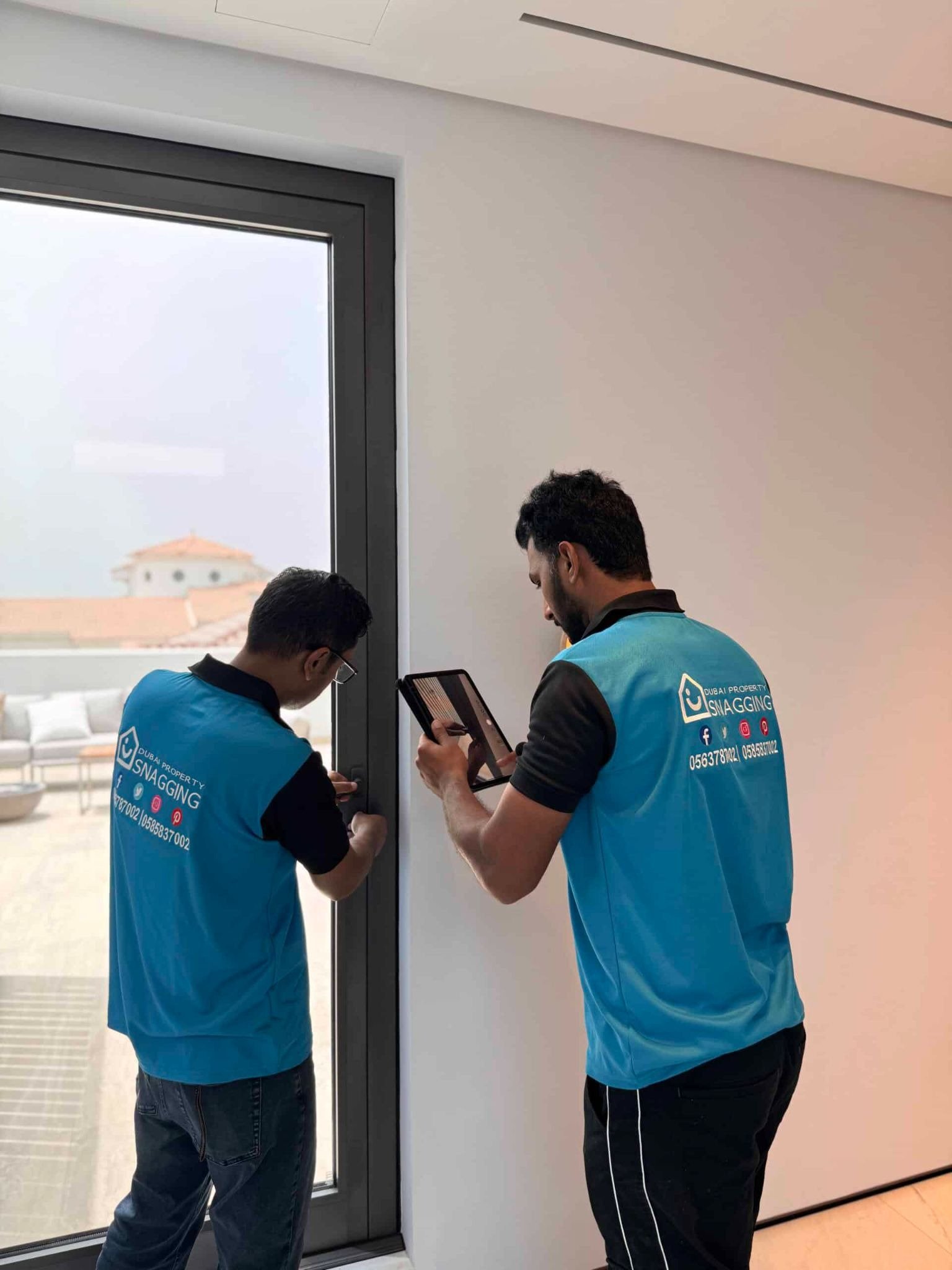
Real estate is often considered a long-term investment, but purchasing a property involves more than comparing prices, calculating rental yields, or choosing a desirable location. The physical condition of a building can have a direct impact on ownership costs, rental income, and the property’s future value. This is particularly relevant in Dubai, where investors purchase apartments, villas, and off-plan properties for both personal use and rental purposes.
Property snagging Dubai services offer an opportunity to identify visible defects and incomplete construction work before a buyer accepts a newly completed property. From a financial perspective, this process is not simply about checking paintwork or finding damaged tiles. It is also about understanding potential repair expenses, avoiding unexpected maintenance costs, and protecting the money invested in real estate.
For property investors, a professional inspection can provide useful information before making important financial decisions.
The Financial Side of Buying Property in Dubai
Dubai’s real estate market attracts investors with different objectives. Some purchase properties to generate rental income, while others look for long-term capital appreciation or a future family home.
Regardless of the investment strategy, every property comes with ongoing financial responsibilities. These may include service charges, maintenance expenses, insurance, utility costs, renovation work, and repairs.
A property that looks attractive during a viewing may still contain defects that are not immediately noticeable. Poorly installed fixtures, plumbing leaks, damaged waterproofing, and air-conditioning problems can create additional expenses after handover.
This is where a structured property inspection becomes financially useful. Identifying visible problems early allows buyers to document concerns and discuss appropriate corrective work before taking responsibility for the property.
The objective is not to assume that every property has serious defects. Instead, it is to make investment decisions using a clearer understanding of the property’s actual condition.
How Property Snagging Can Help Protect Investment Value
Property snagging involves examining a property to identify visible defects, incomplete work, and issues that may affect its condition or functionality.
For investors, the benefits extend beyond appearance.
1. Reducing unexpected repair expenses
Imagine purchasing an apartment as a rental investment. After handover, you discover that several bathroom fixtures leak, some windows do not close properly, and the air-conditioning system has an operational problem.
Each issue may require separate attention, potentially involving contractors, replacement materials, and additional labour costs. If repairs delay the property’s readiness for tenants, there may also be a financial impact from postponed rental income.
A pre-handover inspection helps identify visible concerns before the property enters regular use. The findings can be documented in a report and submitted to the developer or responsible contractor for review and appropriate rectification.
2. Protecting the property’s rental potential
Rental income is an important consideration for many Dubai property investors. However, a property must be in suitable condition to attract tenants and provide a satisfactory living environment.
Problems such as leaking taps, damaged flooring, defective doors, and poorly functioning air conditioning can affect the tenant experience.
Addressing these issues before advertising the property for rent can help reduce avoidable maintenance interruptions and create a better starting point for the tenancy.
3. Supporting long-term property value
A property’s condition is one factor that may influence its attractiveness to future buyers and tenants. Poor maintenance can gradually affect finishes, fixtures, and other building components.
Regular inspections and timely maintenance help owners understand which areas require attention. Although inspections cannot guarantee future appreciation or eliminate all repair costs, they can support more informed decisions about maintaining an investment.
Property Inspection Dubai: Understanding the True Condition of an Asset
A property inspection Dubai service can help buyers and property owners evaluate the visible condition of an apartment, villa, or other real estate asset.
The inspection scope depends on the property’s age, condition, and purpose. A newly completed apartment may require attention to finishing quality and installation defects, while an older rental property may need a condition assessment focused on visible deterioration and maintenance concerns.
Common inspection areas include:
- Walls and ceilings: Checking visible cracks, paint defects, uneven finishes, and signs of moisture.
- Flooring: Identifying loose tiles, damaged grout, chipped surfaces, and uneven finishes.
- Doors and windows: Checking alignment, locks, handles, hinges, and visible sealing problems.
- Plumbing: Observing accessible fixtures, drainage, and signs of leakage.
- Bathrooms and kitchens: Reviewing sealant, cabinets, countertops, fittings, and visible moisture concerns.
- Air conditioning: Checking agreed operational functions and looking for visible condensation or leakage.
- Electrical fittings: Reviewing accessible switches, lights, and sockets within the agreed inspection scope.
- External areas: Observing accessible drainage, exterior finishes, and visible defects around the building.
A detailed inspection report can help investors understand the findings and decide whether repairs, maintenance, or further specialist assessments are necessary.
It is important to remember that a standard visual inspection cannot confirm the condition of every concealed component. Structural investigations, advanced electrical testing, and specialist mechanical assessments may require separate qualified professionals.
The Hidden Financial Impact of Water Leakage
Water leakage is one of the property problems that deserves particular attention because its consequences may extend beyond the original source.
A small leak beneath a kitchen sink may initially appear manageable. However, prolonged moisture can damage cabinets, flooring, wall finishes, and surrounding materials. In some circumstances, water penetration may also affect neighbouring areas.
For landlords and investors, this can mean additional repair expenses, disruption to tenants, and unexpected maintenance arrangements.
Professional leak detection Dubai services can help investigate suspected water leakage using suitable methods and equipment. Depending on the situation, an assessment may involve moisture measurements, thermal imaging, or other appropriate diagnostic techniques.
The important financial consideration is early investigation. When signs of leakage appear, identifying the likely source can help owners decide what repair work is needed instead of repeatedly treating only the visible damage.
Investors should also distinguish between a general property inspection and specialist leak detection. A visual inspection may identify moisture marks or other warning signs, but determining the exact source of a concealed leak may require a dedicated diagnostic assessment.
Why Investors Should Consider a Professional Property Snagging Company
Some buyers prefer to inspect a property themselves before accepting handover. A personal walkthrough is useful, but it may not identify every visible defect or functional concern.
A professional property snagging company provides a more structured inspection process. Its role is to examine agreed areas, record defects, and prepare findings in a format that the owner can review.
When selecting an inspection provider, investors should consider:
Inspection experience: Ask whether the provider has experience inspecting apartments, villas, and the specific type of property being purchased.
Report quality: A useful report should contain photographs, clear descriptions, and the location of each recorded defect.
Inspection scope: Understand which areas and systems are included and which require separate specialist assessments.
Equipment and methods: Ask what inspection tools are used and how findings are documented.
Communication: The provider should be able to explain observations in straightforward language and identify when further investigation is advisable.
Pricing transparency: Confirm the service fee, additional charges, report delivery arrangements, and any follow-up inspection costs.
The cheapest inspection is not necessarily the most suitable option. Investors should compare the scope and quality of the service rather than making decisions based on price alone.
Property Inspection as Part of an Investment Budget
Successful property investment involves planning for more than the initial purchase price. Buyers should consider the financial responsibilities that continue after ownership begins.
An inspection can contribute to this planning process by highlighting visible defects and possible maintenance requirements.
For example, an investor purchasing a villa may discover several external finishing issues, damaged bathroom sealant, and drainage concerns. These observations can be recorded and assessed before the investor finalizes a maintenance budget.
Similarly, an apartment buyer may identify defects involving windows, flooring, kitchen fittings, or air-conditioning components.
A practical property investment budget should consider:
- Initial purchase and transaction expenses.
- Service charges and ongoing ownership costs.
- Routine maintenance and repair allowances.
- Potential renovation or replacement expenses.
- Insurance and other applicable property-related costs.
- Inspection and specialist assessment fees.
- Possible periods without rental income.
An inspection report cannot predict every future expense, but it can help investors understand the property’s visible condition at a particular point in time.
The Importance of Inspection Before Rental Handover
For investors planning to rent out their property, the period between receiving the keys and welcoming the first tenant is particularly important.
A property should be checked before it is furnished, advertised, or handed over to an occupant. Existing defects should be documented so that the owner has a clear record of the property’s condition.
Once tenants move in, maintaining accurate records becomes equally important. A move-in condition report can document the property’s state at the beginning of the tenancy, while a move-out inspection can record its condition when the tenant leaves.
These records can support communication about maintenance and damage. However, responsibility for repairs depends on the tenancy agreement, applicable law, the cause of the problem, and other relevant circumstances.
For landlords managing multiple units, using a consistent inspection process can make property administration more organized and help identify recurring maintenance issues.
Turning Property Inspections into Better Investment Decisions
The real value of an inspection is not simply the number of defects recorded. It is how the information helps an investor make decisions.
A report containing twenty minor cosmetic observations may require a different response from one identifying signs of significant water penetration or a potentially unsafe electrical installation.
Investors should therefore consider the nature, location, and possible consequences of each finding.
A useful approach is to divide observations into three broad groups:
- Immediate attention: Potential safety concerns, active leaks, or defects that could cause further damage.
- Planned maintenance: Issues that require repair or servicing but do not appear to demand immediate action.
- Cosmetic improvements: Minor finishing concerns that may be addressed as part of normal property preparation.
This is a practical way to organize maintenance discussions, not a formal engineering classification. Serious or uncertain findings should be assessed by appropriately qualified specialists.
By reviewing inspection reports alongside purchase costs, expected rental income, and maintenance allowances, investors can make more informed decisions about the financial responsibilities associated with a property.
Conclusion: Protecting Real Estate Investments Starts with Better Information
Property investment in Dubai can offer opportunities for different types of buyers, but every property comes with responsibilities that continue after the purchase is complete.
Understanding the condition of a property before handover can help investors identify visible defects, document incomplete work, and plan appropriate repairs. Professional property snagging, property inspections, and specialist leak detection can all contribute to a more informed approach to property ownership.
The financial benefit is not a guaranteed saving or a promise of higher rental returns. Rather, it comes from having better information before committing to repairs, maintenance decisions, and tenant arrangements.
For investors, a property should be evaluated not only by its purchase price and potential income, but also by its condition and the costs involved in maintaining it over time. A careful inspection is a practical step toward managing those responsibilities with greater confidence.
Disclaimer: This article is for general educational purposes and does not constitute financial, investment, engineering, or legal advice. Property buyers should obtain appropriate professional assessments before making significant investment decisions.